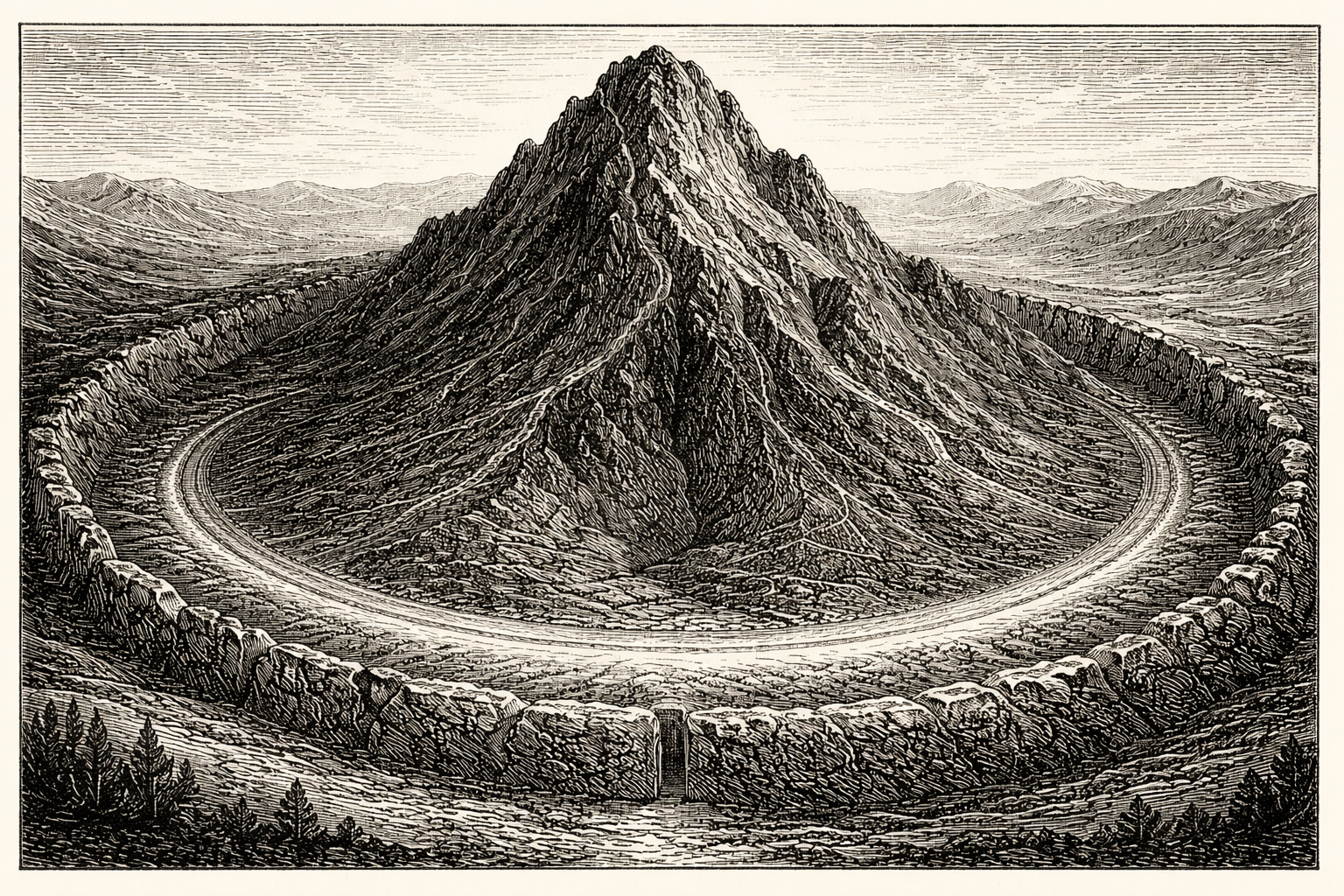
Strong Minds Suffer Longest

Injustice weighs heavily on the mind. To let it go would feel like self-betrayal. But the longer it goes unresolved, the longer your mind must work to keep the truth of what happened from being forgotten or rendered meaningless. For this reason, people with strong minds are especially prone to chronic resentment. They possess the faculties required to carry on the protest for as long as it takes:
Memory preserves the injustice at the top of your mind.
Attention focuses on exposing the offender’s faults.
Intelligence proves their unacknowledged guilt.
Determination holds on until they pay for what they did.
These mental activities reinforce a moral stance aimed at correcting a wrong. They do not bring about resolution themselves, but anticipate it being brought about by others. Resentment remains an important signal about your sense of right and wrong, but when used as a strategy, it is limited in its ability to produce results. The determination driving this strategy can persist nonetheless, causing the mind to keep working without end.
As a person with depth of feeling and thought, you might end up using your best faculties in an endless fight that effectively keeps the weight on your shoulders. In that scenario, it’s you who keeps carrying the cost long after the offense was committed, and not the offender.
That’s why strong minds suffer the longest. They refuse to let go even when the ongoing cost eventually outweighs the original offense.
Structural Influence
Why don’t we shift gears when resentment isn’t producing results? The answer lies in how emotions operate.

Every emotion is meant to serve a purpose. Anger, for example, is energy for solving problems and protecting what you care about. To serve those purposes, anger does more than recruit faculties like memory, attention, intelligence, and determination. It also temporarily reorganizes their focus and direction. The situation remains the same, but how it is experienced changes.
Practically speaking, anger predisposes your faculties toward particular patterns of action. The word “predispose” is important here. These inclinations happen in the subconscious mind, prior to reflection or choice. They become the default ways to think and act. Choosing otherwise requires a deliberate effort and can still be limited in success.
This predisposing of the perceptual and active faculties is what I call structural influence. It works like a building that limits your movement while you’re inside it. This influence is rarely noticed, even while it is happening. There are two reasons for this:
Anger feels objective.
The same actions do not provoke the same response in every individual. One person reacts with anger, while another does not. Yet for the person who is angry, the reaction nonetheless feels justified. This apparent contradiction can be explained.
Although anger feels grounded in objective perception, its source lies in underlying moral expectations that can vary from person to person. When those expectations are violated, they nonetheless remain in the background while attention focuses outward on the offender. Thus, anger appears to be triggered entirely by the offender’s actions, as if this were simply the obvious way to see the situation. But these impressions have already been shaped by judgments operating in the background.
Epictetus made this hidden process explicit when he said:
“What disturbs people's minds is not events, but rather their judgments about them.”Structural influence is silent.
From an external point of view, it is easy to see that a person immersed in anger or resentment will tend to think and act in predictable ways. From the first-person point of view, however, that same person still experiences himself as choosing freely. The contradiction is only apparent. Structural influence does not present itself to the conscious mind as an explicit command or argument. It does not say, “This person is a free agent who committed a moral wrong, so you must remember the debt until it is paid.” Rather, as P. F. Strawson observed, resentment automatically orients the mind toward holding the offender accountable without requiring deliberate reasoning. It does this by bringing the problem to the foreground and narrowing the range of responses that appear appropriate. The angry person still chooses, but from within a limited range already shaped by emotion.
Together, these two dynamics make the influence of resentment practically invisible from a first-person perspective. Resentment can fail to produce results without this being noticed.
The Map Revealed
How can resentment keep you waiting for justice indefinitely, even when it’s harming you while resolving nothing? To understand the psychological mechanism behind this problem, we must distinguish between two phases in the development of hostile emotions.
Phase One: The Immediate Reaction
Anger arises when people violate your expectations, especially when it appears they could have acted otherwise, but nonetheless wronged you out of indifference or bad will. When an offense cannot be resolved immediately, the mind treats the damage as a moral debt, The perpetrator is expected to pay. In fact, the word retribution literally means ‘to pay back.’ Waiting for justice, then, is a principled stance. It is based on the conviction that what happened matters and must be addressed before things can legitimately return to normal. Emotions like contempt, spite, and envy arise automatically to reinforce this stance.
This works when:
The offender admits fault and makes things right
A higher authority intervenes to impose consequences

Resentment subsides when any of these outcomes is reached. The pieces come together. The moral stance you have taken finds its counterpart in the response of the offender—through their repentance, reparation, or punishment. The realization of justice completes the picture. This is why justice feels satisfying: it confirms that your stance was not mistaken, that there was a real wrong that could be set right.
Phase Two: Self-Triggering Resentment
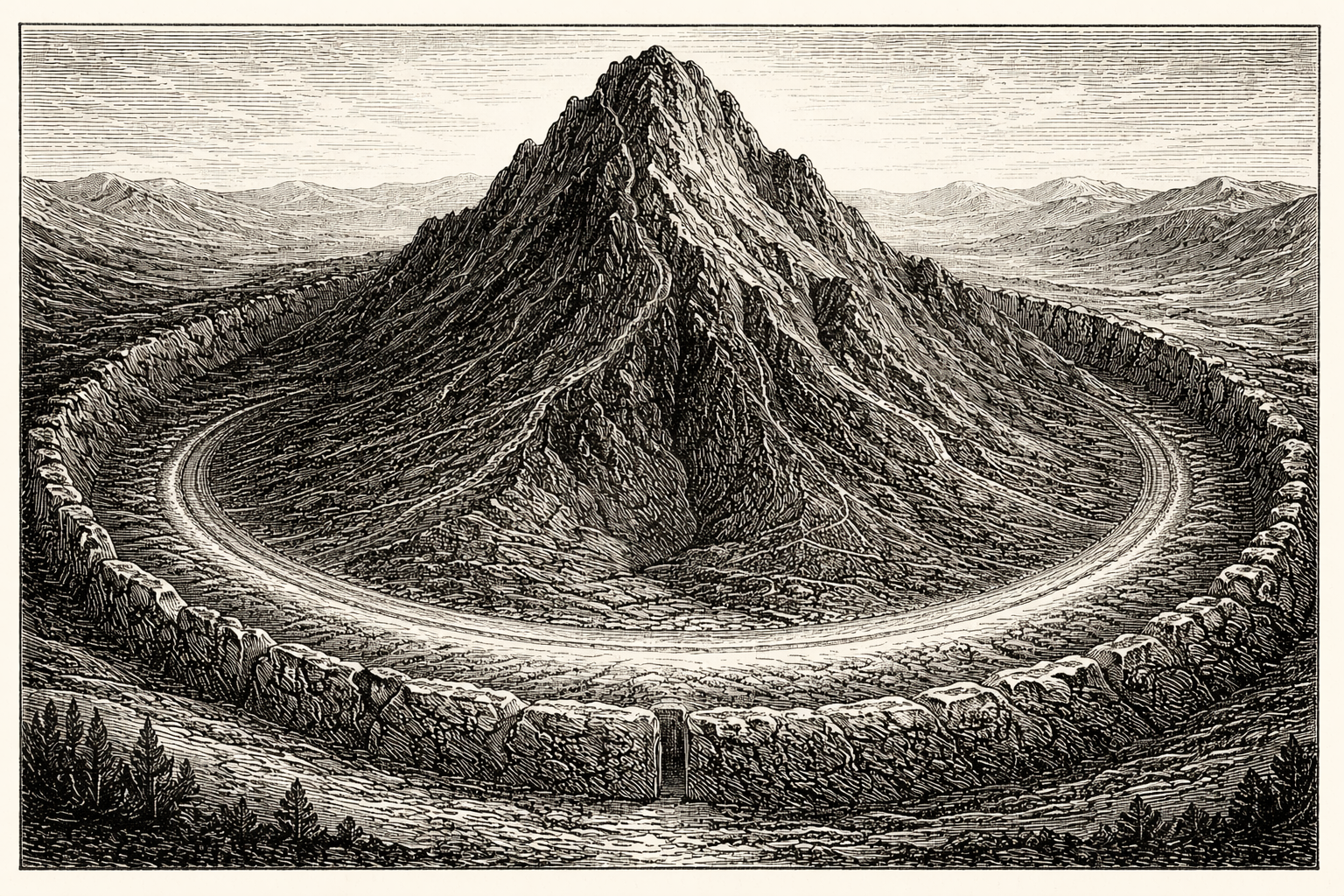
When justice is not delivered, the initial emotional reaction begins to fade, but the demand for justice remains. To sustain the grievance, the mind reactivates resentment through memory and imagination.
There is a difference between passing and chronic resentment. Initially, someone acts in a way that violates your basic expectations, triggering an angry reaction. The injustice comes first, and the feelings follow. Later, when the injustice remains unresolved after the initial reaction has faded, the mind re-triggers the anger through rumination. Thus, the order is reversed. The feeling becomes primary, and the mind’s replaying of past events reinforces it. For this reason, the word “re-sentiment” literally means “to feel again.” The nervous system responds to imagined events as if they were happening in the present, reactivating the same visceral responses—tightness in the chest, heat in the face, a surge of adrenaline, and the impulse to confront or withdraw. This gives the memory a sense of immediacy, as if it were unfolding in the present moment.
At this point resentment becomes “creative”—as Nietzsche described it—and gives rise to value judgments and moral narratives which reinforce one’s moral stance. But since the grievance has not been adequately recognized by others, the mind must constantly renew it. The following become mental rituals: replaying the injustice in memory, exposing the offender’s faults with attention, developing narratives with intelligence, picturing retribution through imagination, and resisting premature closure through determination. The mind becomes restructured around maintaining resentment.
The stance of waiting for justice was originally meant to align you toward a proper outcome. But it also makes you dependent on conditions outside your control. When those conditions are continually not met, you’re placed in a position where the sacrifices required to maintain resentment have no end in sight.
The longer these thought loops continue, the deeper the pathways they carve in the mind. Gradually, the repeated reliving of painful memories and bitter thoughts begins to reshape your personality and experiences. Your best faculties—determination, memory, attention, intelligence, and imagination—become locked into a cycle of negativity. Agency—your ability to act and make a difference—is diverted from positive action to negative reaction. Life is no longer about pursuing the positive but opposing the negative. What began as a principled stance gradually hardens into a lasting disposition of resentment.
This is the situation I call the Trap of Waiting and Hating. It is a trap especially suited for people whose depth and strength of mind allow them to sustain resentment long term.
Recognizing the Trap
“Anger creates delusion.” — Bhagavad-Gita
When resentment becomes chronic, its structural influence begins to distort how you perceive the situation. The following questions show common ways these self-protective distortions appear. Answering them helps reveal the gap between what resentment makes you feel and what you can observe to be true.
Time distortion:
When you remember the offense and feel upset or tense, are there times when that reaction is being re-triggered by your own mental activity, rather than by any lasting consequence of the original event?Conditional freedom:
When it feels like your life cannot move forward until the injustice is resolved, could that be due to a moral stance you’ve adopted, rather than any actual external barriers?Conditional self-worth:
When it feels as if an offense has damaged your worth as a person, could it be that the event does not actually have that power, but that you have adopted that interpretation?
If you answered ‘Yes’ to any of these questions, resentment may no longer be a passing experience, but a chronic structure that is imposing serious limitations on your life.
A Clear Path Forward

It can be difficult to navigate chronic resentment. The way it feels from the inside is very different from how it operates beneath the surface.
The breakthrough does not come from ignoring these limitations, but from learning how to work with them effectively.
The Resentment Reset is a program designed to do exactly that. Rather than treating resentment as a problem to eliminate, it treats it as a signal that something needs to change. Through structured journaling and coaching, it helps you bridge the gap between what feels intuitive but leads into a vicious circle, and the hidden processes sustaining that experience. The goal is to move from rumination to effective action—pursuing justice where possible, yet keeping your freedom and dignity independent of the outcome.
Please fill out the form below to explore whether this program is a good fit for you.
(Under construction)